
2026 New York Rally Livestream
Day 1 (September 22, 2026)
Day 2 (September 23, 2026)
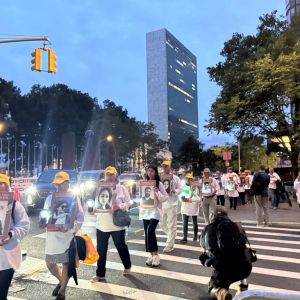
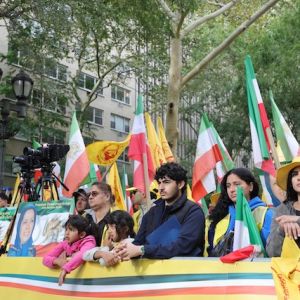
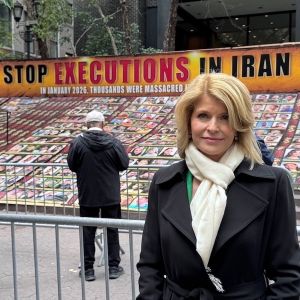
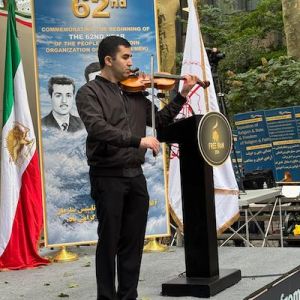
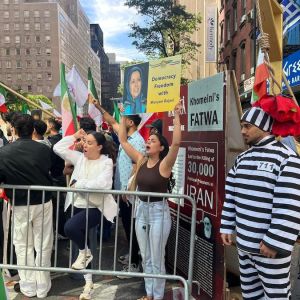
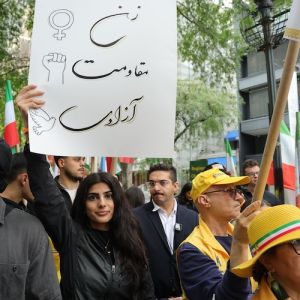
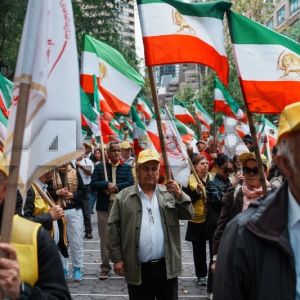
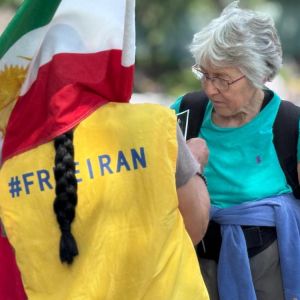
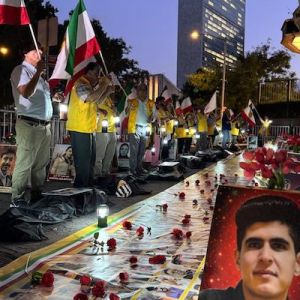
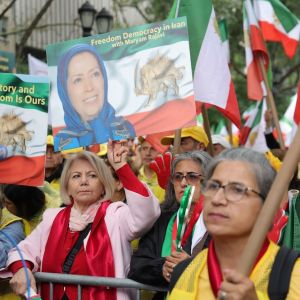
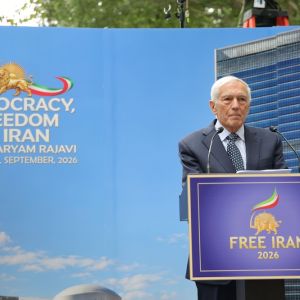
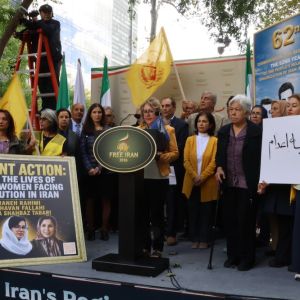
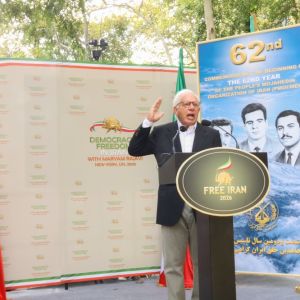
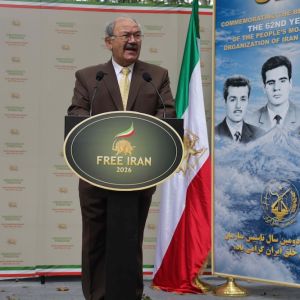
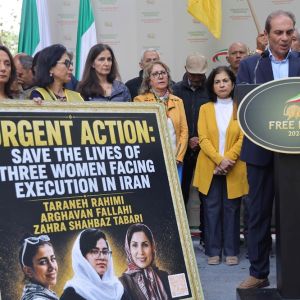
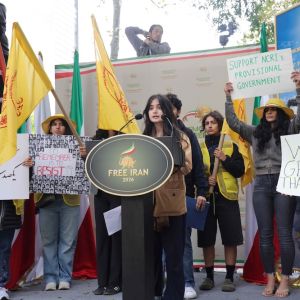
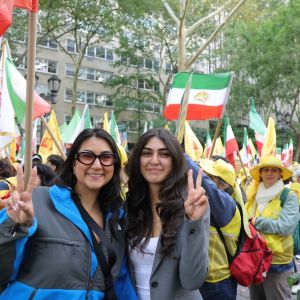
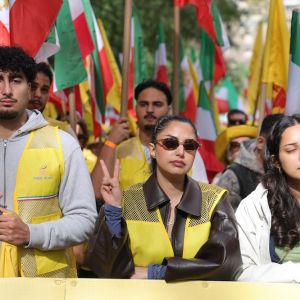
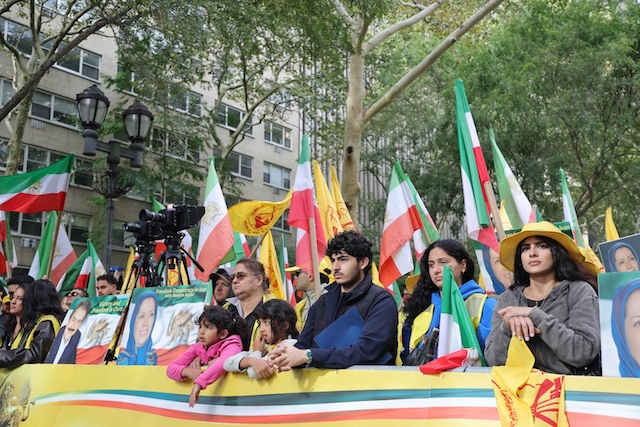
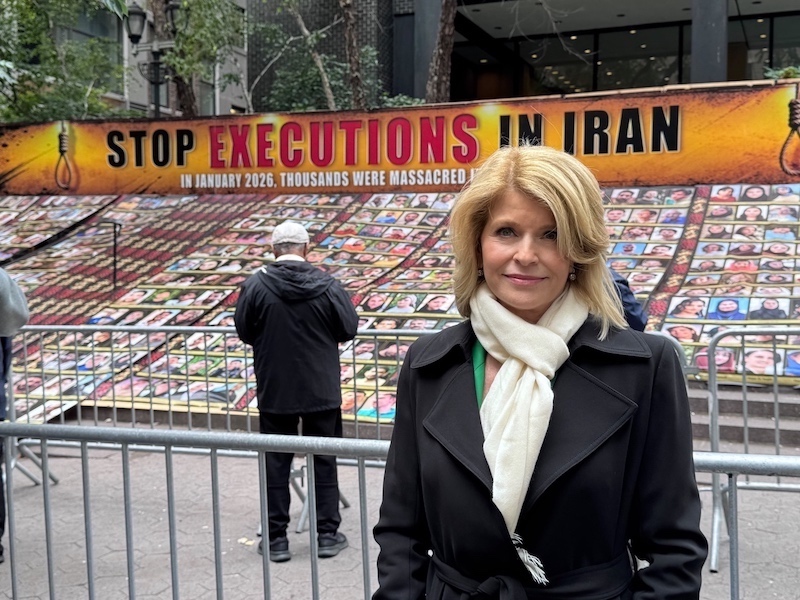
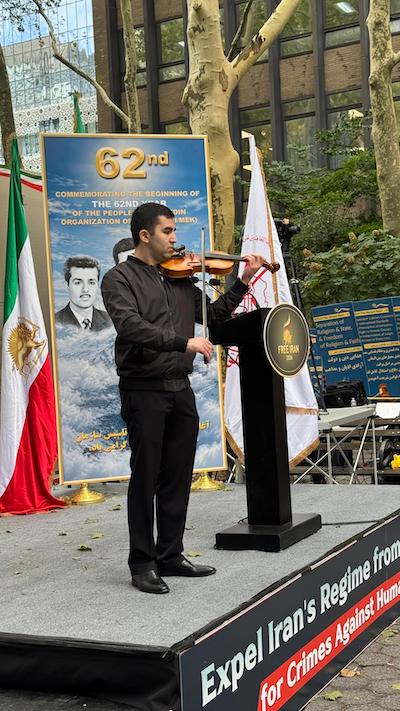
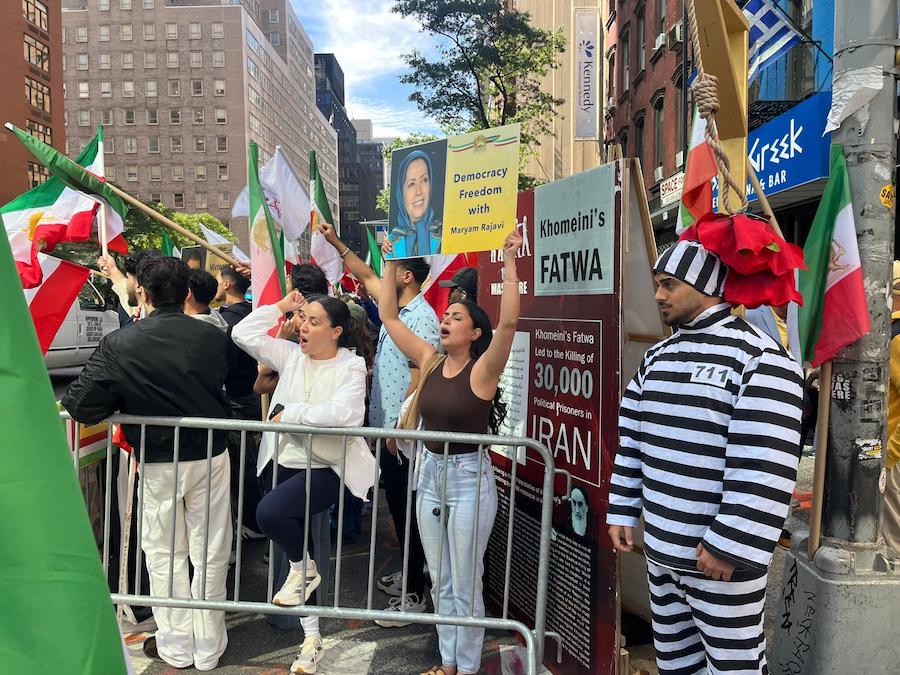
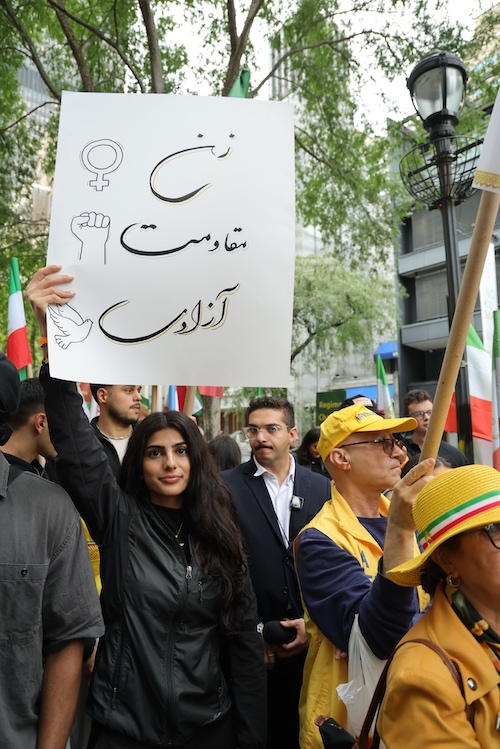
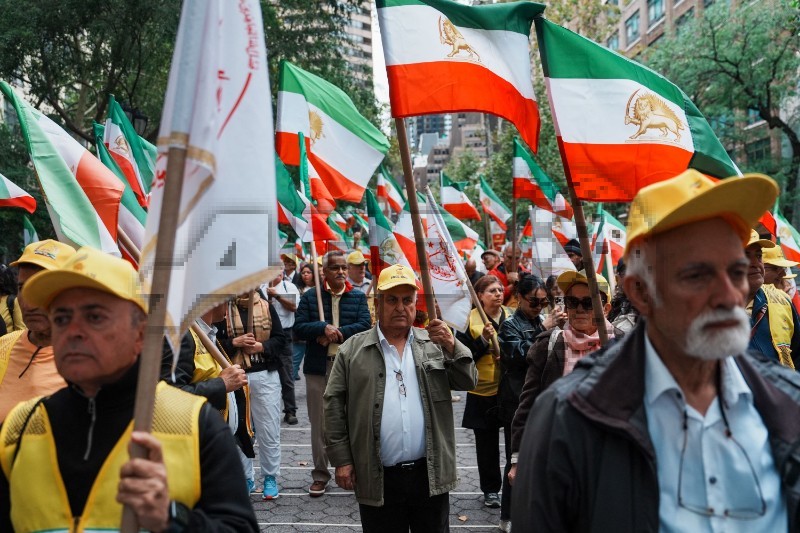
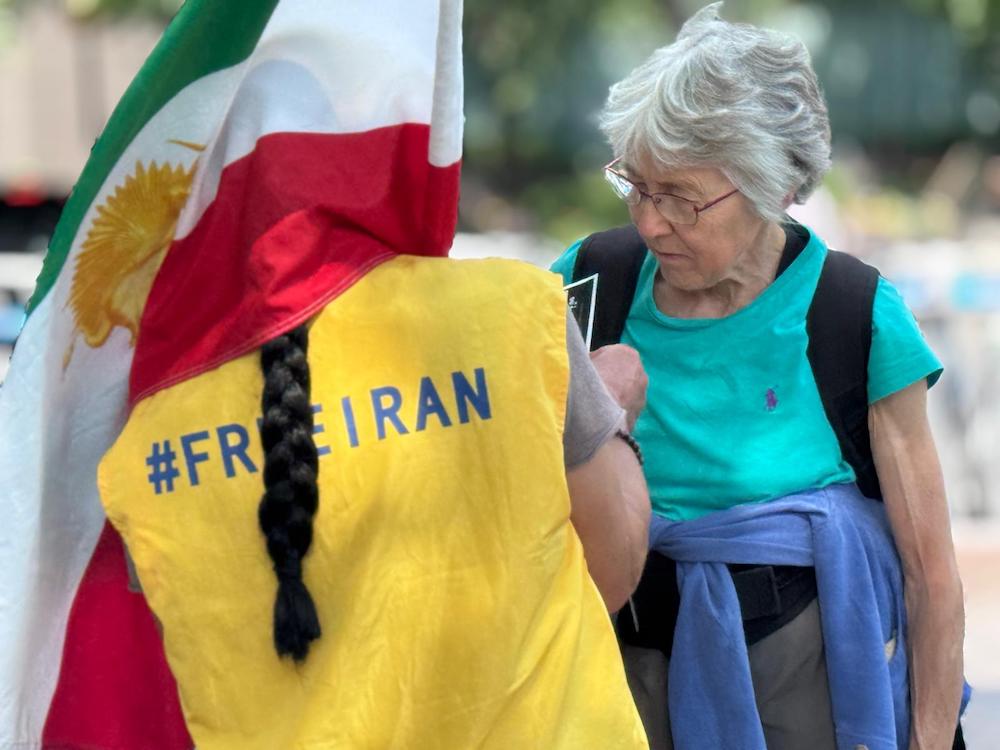
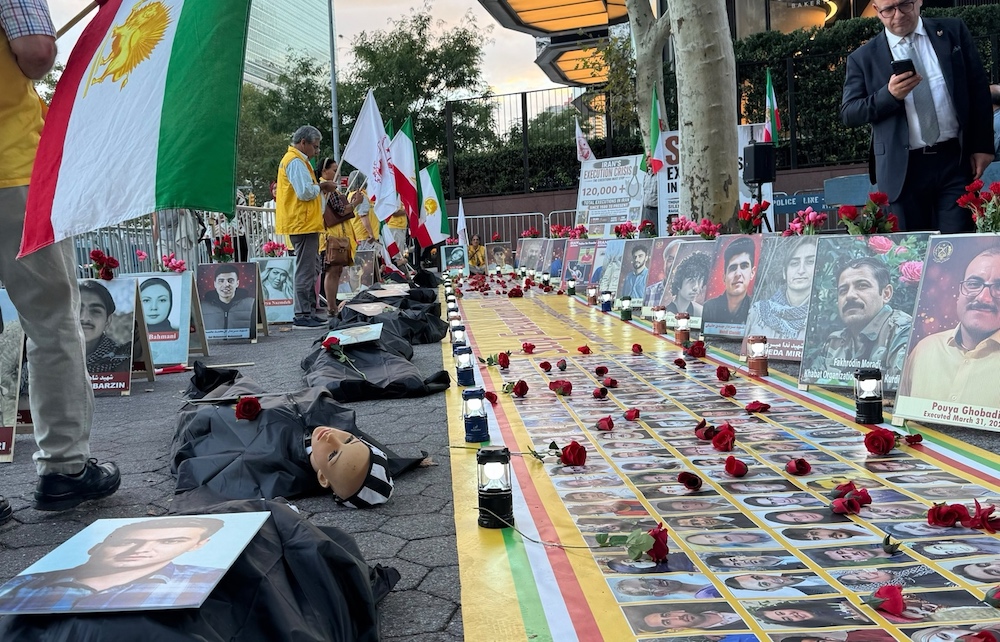
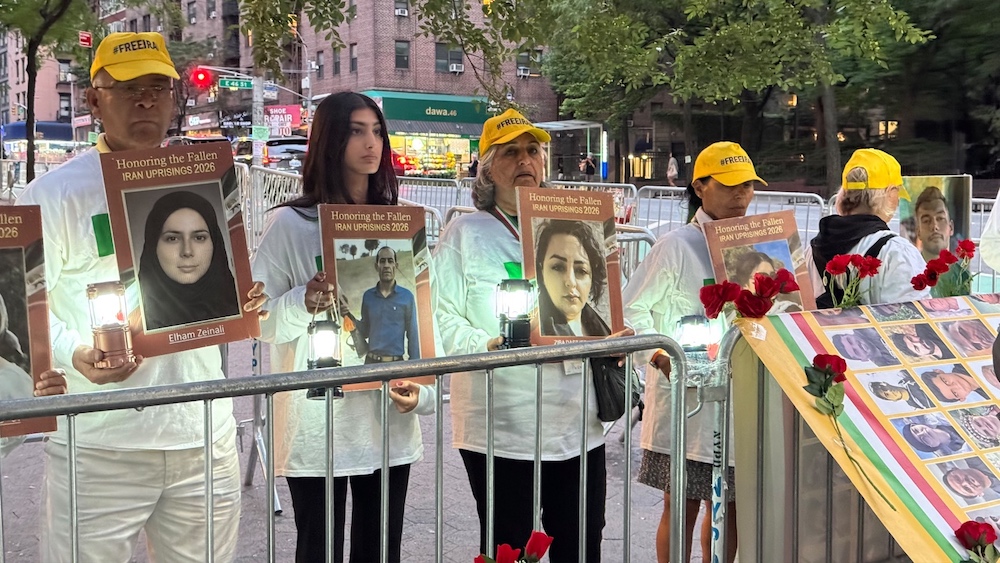
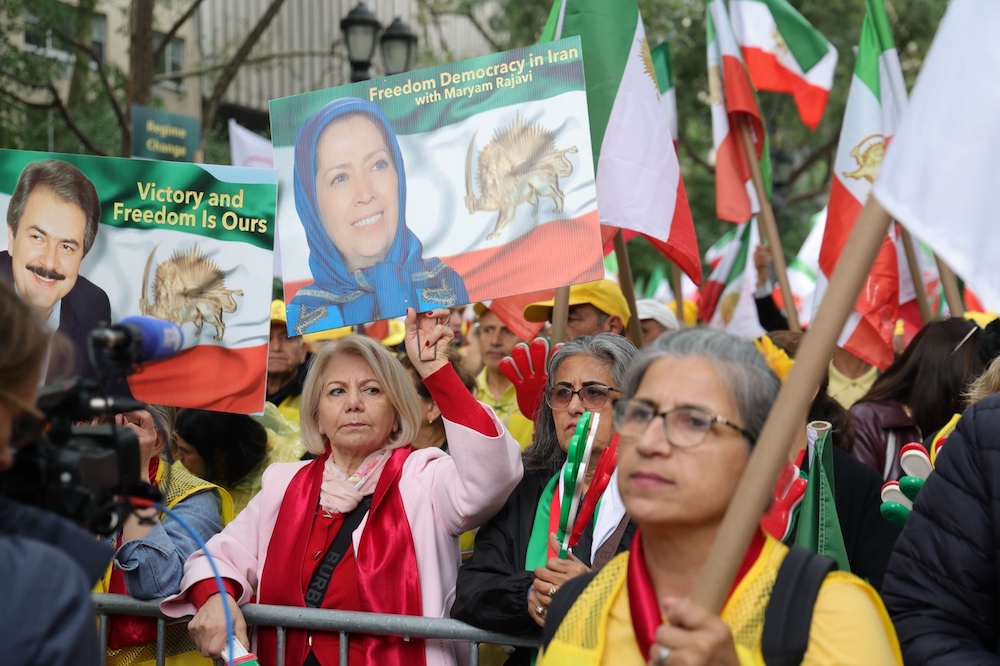
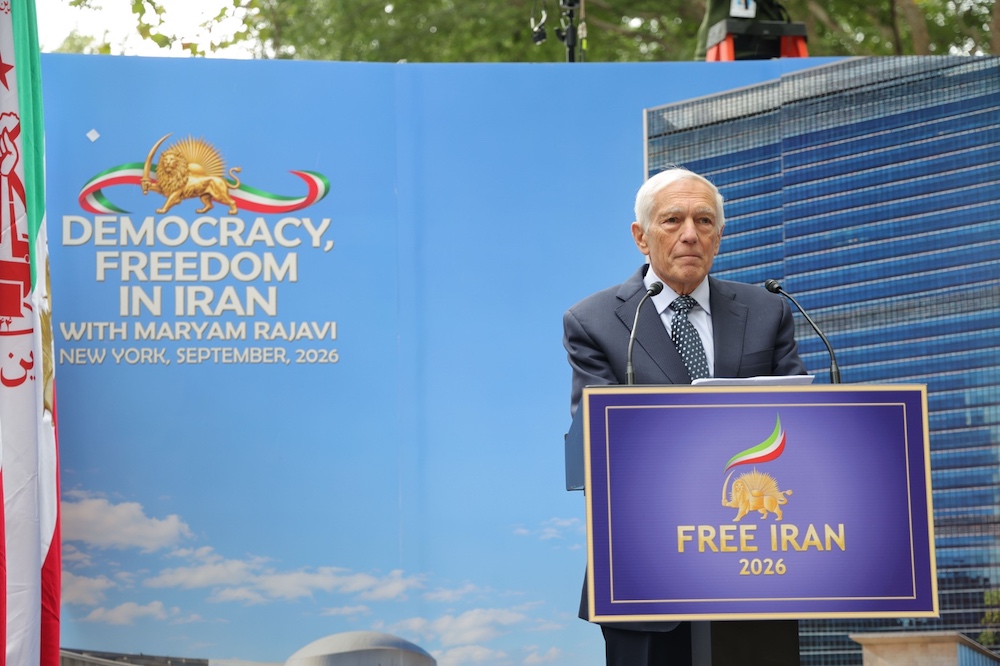
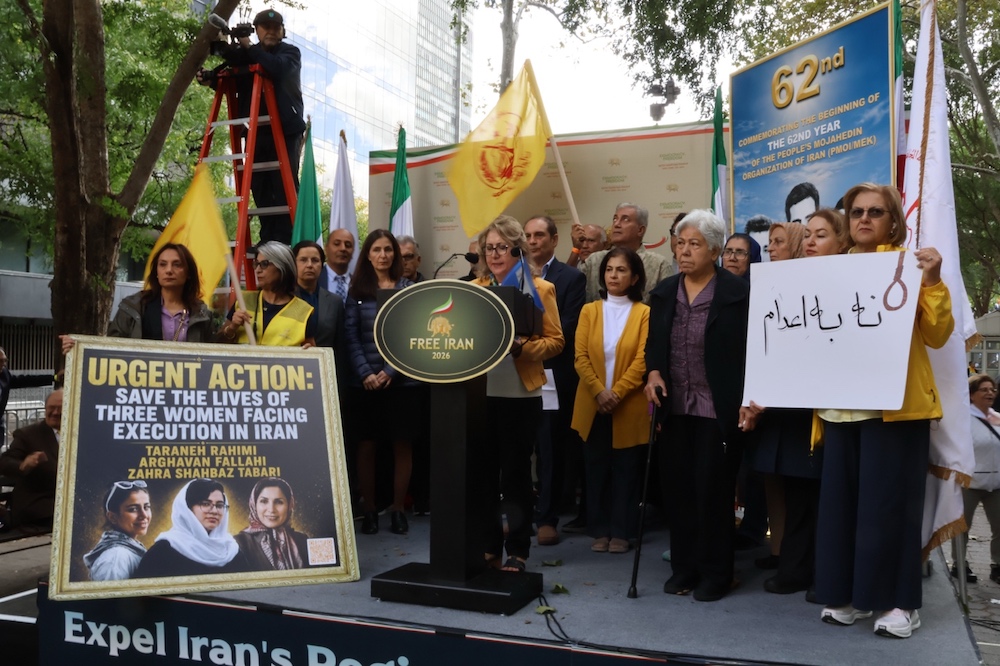
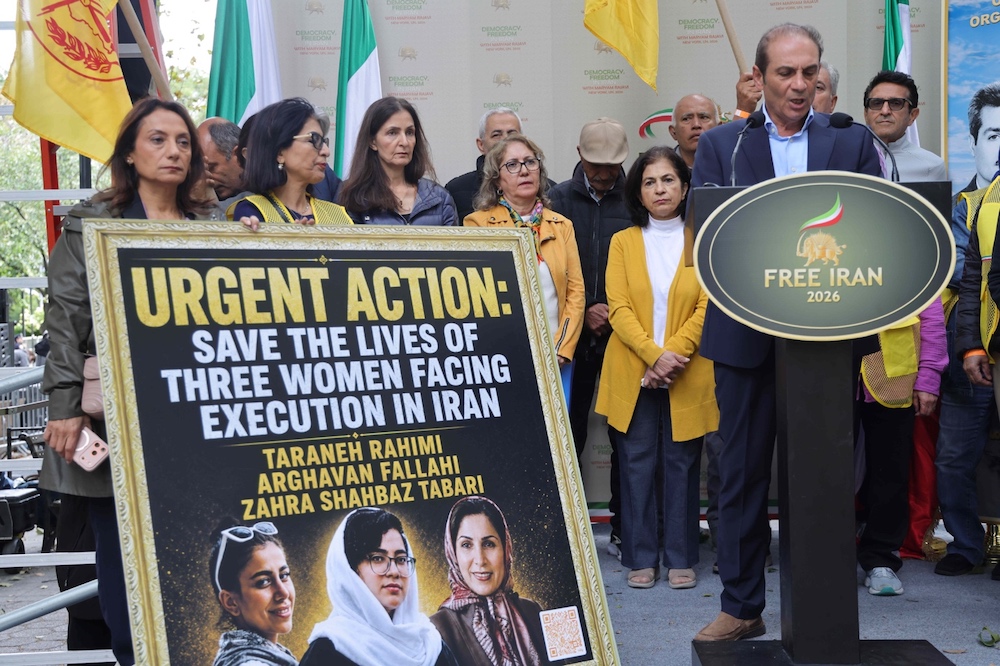
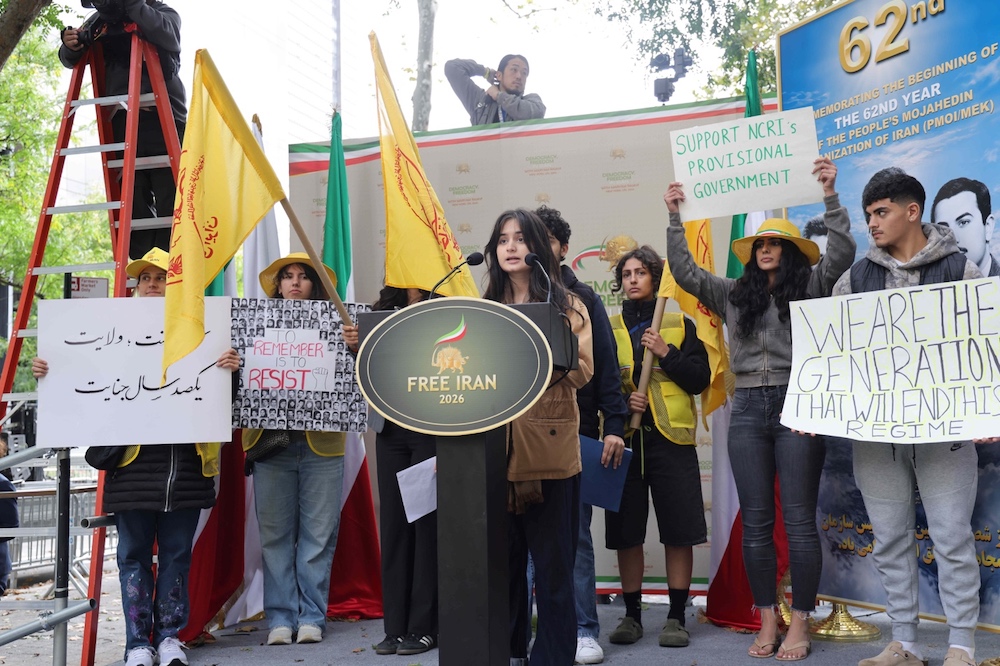
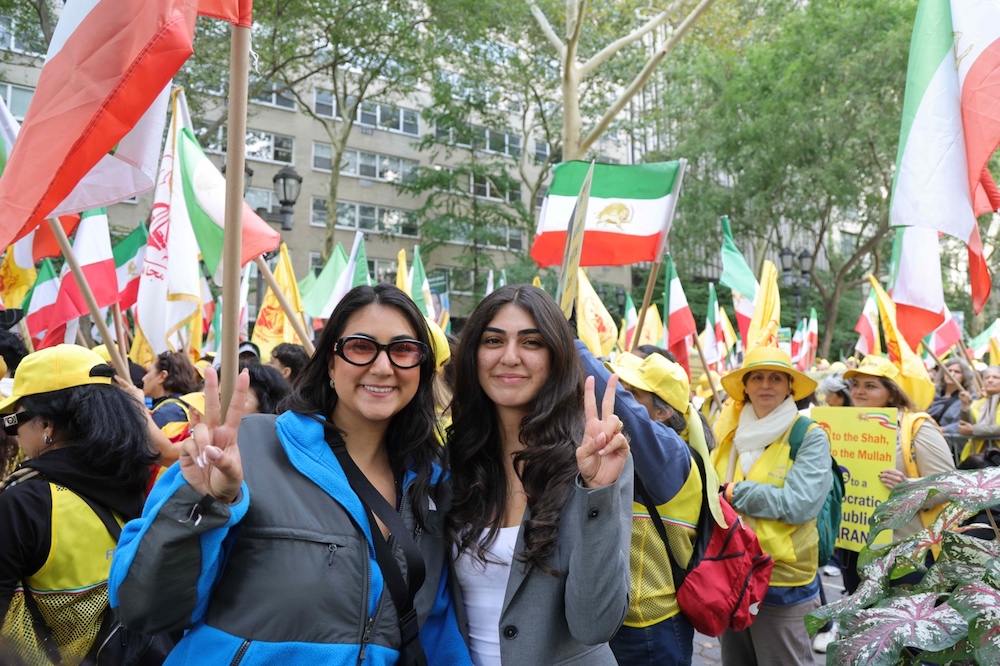
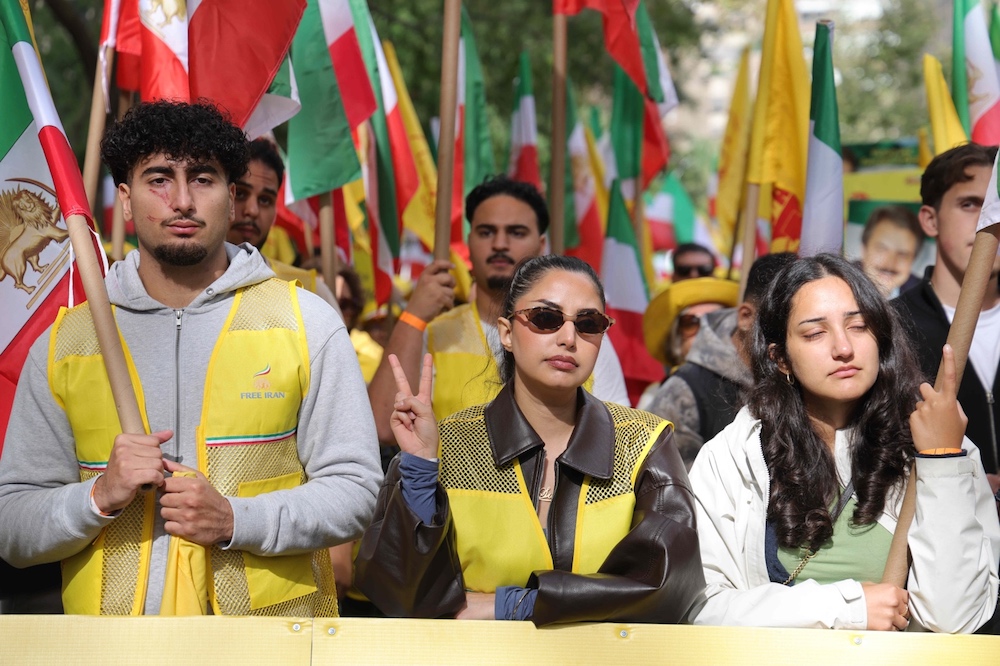
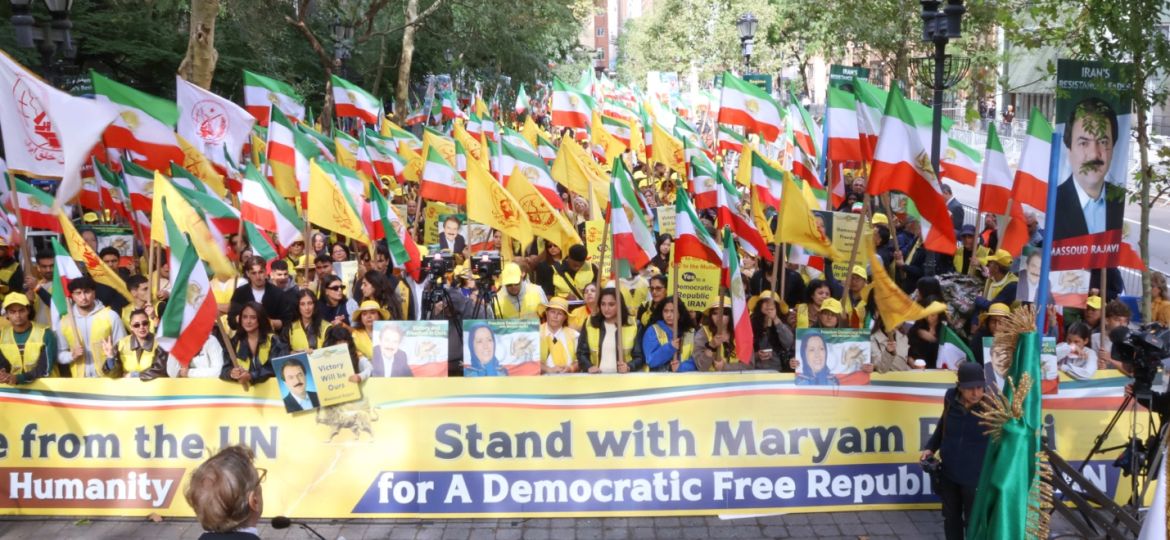
Iranian-Americans and supporters of the National Council of Resistance of Iran held weeklong (September 17-23rd) campaign in New York City to highlight political executions in Iran and called for the international community to recognize the Iranian people ongoing fight to overthrow the clerical regime. The campaign highlight was two large rallies by thousands across from United Nations headquarters in New York – September 22nd and September 23rd, 2026. As world leaders gathered for the UN General Assembly, the rallies called for international action against executions in Iran and called for support for Iranian people-led transition to a democratic republic.
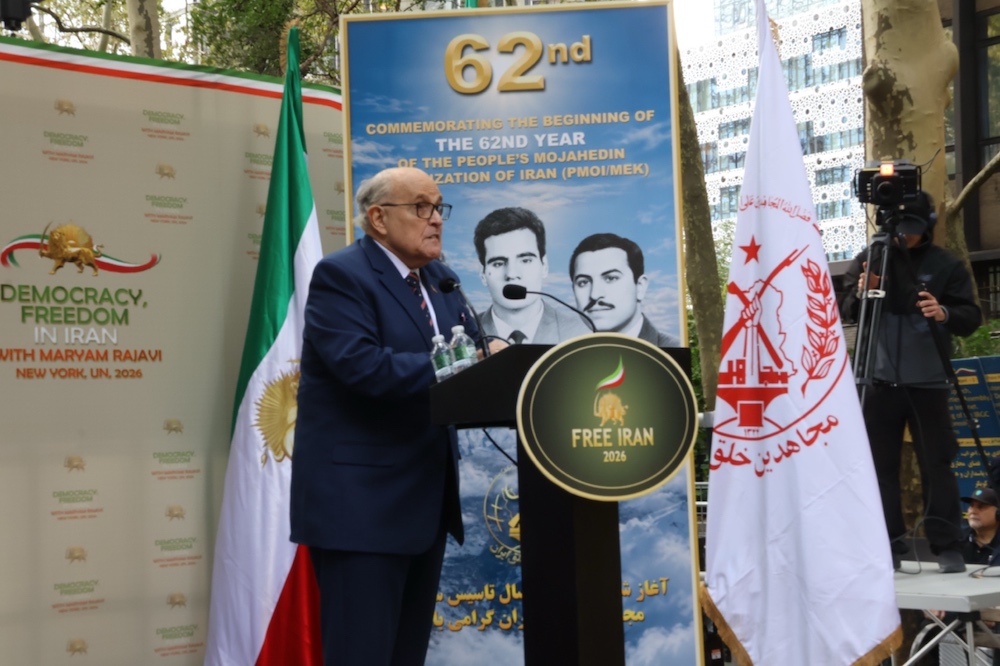
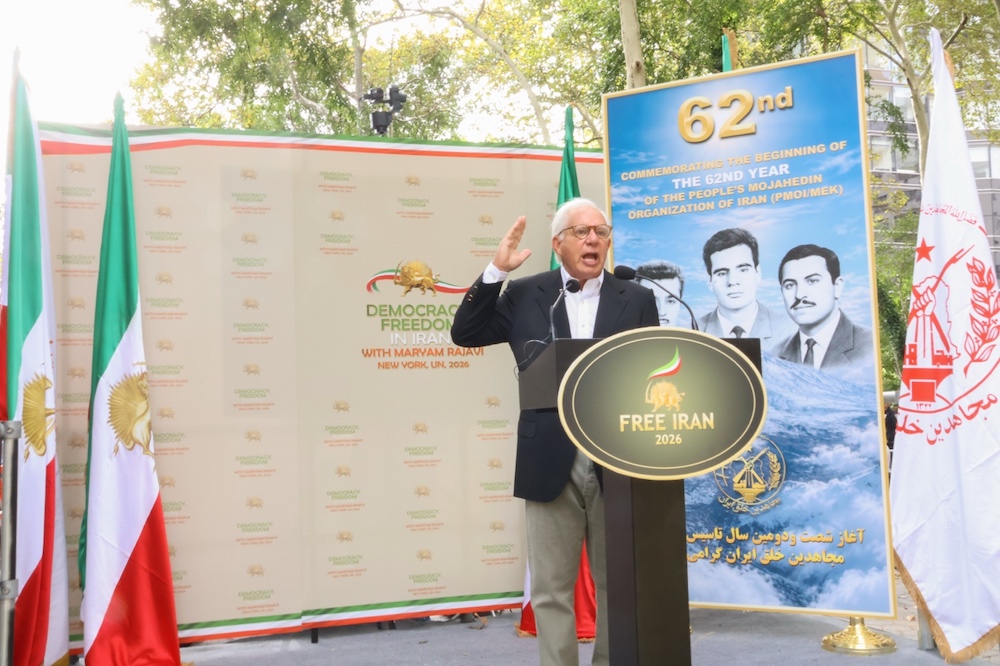
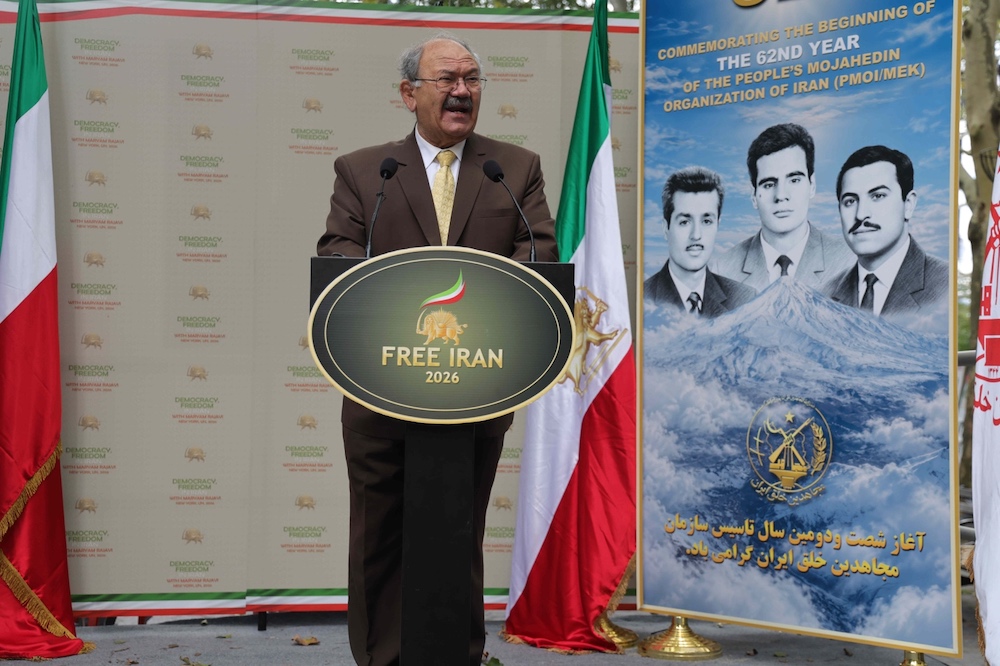
Speakers included former U.S. Special Presidential Envoy for Ukraine Lt. Gen. Keith Kellogg, former NATO Supreme Allied Commander Europe Gen. Wesley Clark, former U.S. Ambassador Carla Sands, former New York City Mayor Rudy Guliani, former U.S. Ambassador to Moracco Marc Ginsberg, human-rights advocates, family members of those executed by the regime, former political prisoners, youth activists and faith leaders.
Mrs. Maryam Rajavi, President-elect of the National Council of Resistance of Iran (NCRI), sent a message to the rally, highlighting the Resistance Units activists in Iran and called for international action to hold the regime in Iran accountable. “Iran’s seat belongs to the people of Iran and to their legitimate Resistance for peace, freedom, and a democratic republic,” she said. She argued that continuing repression, executions and regional conflict were inseparable from the nature of the ruling system and noted, “The solution is democratic change by the people of Iran and their organized Resistance.”
Mrs. Rajavi pointed to some 100 political prisoners facing death sentences, including Arghavan Fallahi, whose message from prison rejected both forms of dictatorship. Mrs. Rajavi argued that inaction on human rights had consequences beyond Iran’s borders and added, “First, whenever the brutal violation of human rights in Iran is met with silence and inaction, this regime becomes emboldened in its pursuit of nuclear weapons and its warmongering across the region.” However, she rejected external war as an alternative, noting that, “Another lesson is that the solution to the Iranian crisis is neither war nor foreign intervention. Rather, it is the people of Iran and their organized Resistance who possess the ability and the legitimacy to bring about great change in Iran.” “The people of Iran have rejected every form of dictatorship, whether religious or monarchical,” she said, and called on UN Security Council to refer the regime’s human rights violations to the International Criminal Court. Finally, she called on global policymakers to “recognize the rights of the Resistance Units and the National Liberation Army to fight against the Revolutionary Guard Corps (IRGC).”
In his remarks, Gen. Wesley Clark, the former NATO Supreme Allied Commander Europe, said, “There’s hope for change, and that change is driven by the National Council for Resistance in Iran.” Gen. Clark also said Mrs. Rajavi’s Ten-Point Plan for a free Iran offered the basis for a transition built around political freedoms, elections, separation of religion and state and an end to nuclear-weapons ambitions and regional domination. He urged governments to place greater confidence in the Iranian opposition’s capacity for organization. “They must believe in the National Council of Resistance of Iran,” he noted. Gen. Clark concluded with one of the rally’s strongest calls for action and remarked, “I believe it will happen driven by the courage, and determination of the people of Iran, and I believe it will happen led by the National Council of Resistance and the MEK. Please choose the right moment, choose the right moment, but act.”
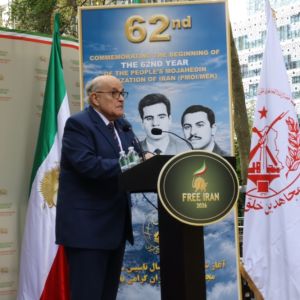
Former New York City Mayor Rudy Giuliani addressed the rally on September 23, 2026, as the Iranian regime president Masoud Pezeshkian spoke at the UN General Assembly. Mayor Giuliani urged the international community to reject further accommodation with Tehran and voiced support for political change led by Iranians. He said, “over the years, the regime has killed over 100,000 members of the MEK, yet the MEK is the most powerful organization in Iran to bring about a non-nuclear, democratic, elected government with freedom of religion and, oh my goodness, freedom for women.”
Former U.S. Ambassador Carla Sands said in her speech, that external military pressure could weaken Tehran but could not create a durable political alternative. “Only the indigenous force on the ground can deliver lasting change and peace,” she said. “The lasting solution lies in supporting the Iranian people and their organized resistance in bringing about change from within Iran.” Amb. Sands devoted a substantial part of her speech to what she described as the resilience and organizational strength of the MEK after decades of repression. “You are Iran’s leading opposition movement, and you’ve carried forward an unbroken struggle against dictatorship for 61 years,” she told supporters. “The MEK has survived, expanded, and continued its struggle because it’s rooted in the profound commitment to freedom.” She said the movement had succeeded in building “an organized movement capable of confronting the regime” and highlighted the prominent role women have assumed in its leadership. Mrs. Sands said Western policymakers have two choices. Either, “Stand with the executioners or those facing the gallows. Stand with a failed dictatorship or with an organized democratic resistance. Stand with the past or with the future.”
In his remarks, Lt. Gen. Keith Kellogg focused on the existing force inside Iran (MEK resistance unites) rather than a diaspora-based political project. “There currently are Resistance Units in all 31 provinces of Iran,” he said. “They are currently acting as the engine of change and pursuing a strategy of confronting the Revolutionary Guards in combination with the people.” He called Mrs. Rajavi’s 10-point plan a, “blueprint for Iran’s future governance” and pointed to it as the roadmap toward a secular and non-nuclear republic Iran. Gen. Kellogg also drew a distinction between weakening the Iranian authorities from abroad and achieving political change inside the country. “Military attacks and sanctions have greatly weakened the regime, but it will not lead to change. That change is dependent upon the people of Iran,” he said. He urged Iranians to organize around a provisional government and free elections.
In his remarks, Former U.S. Ambassador to Morocco, Marc Ginsberg rejected both clerical rule and the notion suggesting restoration of hereditary monarchy. He noted that America, “cannot and should not choose” Iran’s leaders. Instead, he argued that international assistance should empower Iranians and their organized opposition to determine the country’s political future for themselves. He added, “the American people wish for an end to the regime, an end to the suffering of Iran’s people, and an end to the threat that a nuclear Iran poses not just to the world, but also to the everyday lives of Americans.”
Ana Sami, an attorney and moderator of the rally on September 22nd, opened by declaring that Iranians reject the clerical dictatorship and demanding accountability for decades of repression, executions and crimes against humanity. “The seat of Iran at the United Nations belongs to the Iranian people,” she said.
Mrs. Zahra Amanpour, also discussed the rejection of monarchical restoration. She pointed to political repression through both the regimes of Shah and the clerical system and argued that Iran’s modern political struggle had repeatedly been denied its fundamental demand for popular sovereignty.
Young Iranian speakers at the rally delivered a similar generational message, combining personal accounts of relatives executed under the clerical authorities with rejection of both religious theocracy and single party dictatorship of monarchs. They emphasized the expansion of Resistance Units, the role of women in the Iranian resistance, and support for a secular democratic republic embodied by Rajavi’s Ten-Point Plan.
New York faith leader Rev. Adrienne Dannhauser, an Episcopal priest and rector of the Church of the Incarnation, cited reports of killings, torture, sexual violence and arbitrary imprisonment and rejected the use of religion as justification for state violence. “Dictatorship does not work because it is a usurpation and corruption of God’s power, whether exercised in the name of religion, monarchy, or any other ideology,” she said. Rev. Dannhauser called for solidarity with political prisoners and those facing death sentences and joined the rally’s demand for a “free, democratic, and secular republic.”
Rev. Dr. Chloe Breyer, executive director of the Interfaith Center of New York, focused on religious freedom, human dignity and the costs paid by successive Iranian protest movements. Drawing on her own experience of interfaith engagement in Iran, she said direct contact with Iranians had changed perceptions formed through decades of political confrontation. Rev. Breyer thanked Iranians for what she described as their continuing efforts toward democracy and lamented that the United States had not done more in previous protest movements. Addressing prisoners and families whose relatives had been killed or detained, she said their sacrifices had not been in vain and closed with a biblical appeal to justice and protection for the oppressed.
Venezuelan human-rights activist Mr. Jonathan Acosta linked the gathering to opposition to authoritarian rule in his own country. Mr. Acosta said Venezuelans understood the experience of families whose children had been tortured or killed and expressed support for Iranians campaigning against executions. He said members of the Venezuelan community had travelled from Washington, Maryland and Virginia to participate and called for cooperation with the NCRI in pressing for an end to executions.
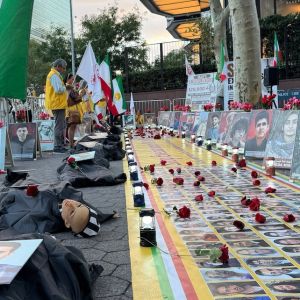
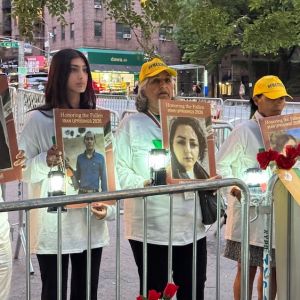
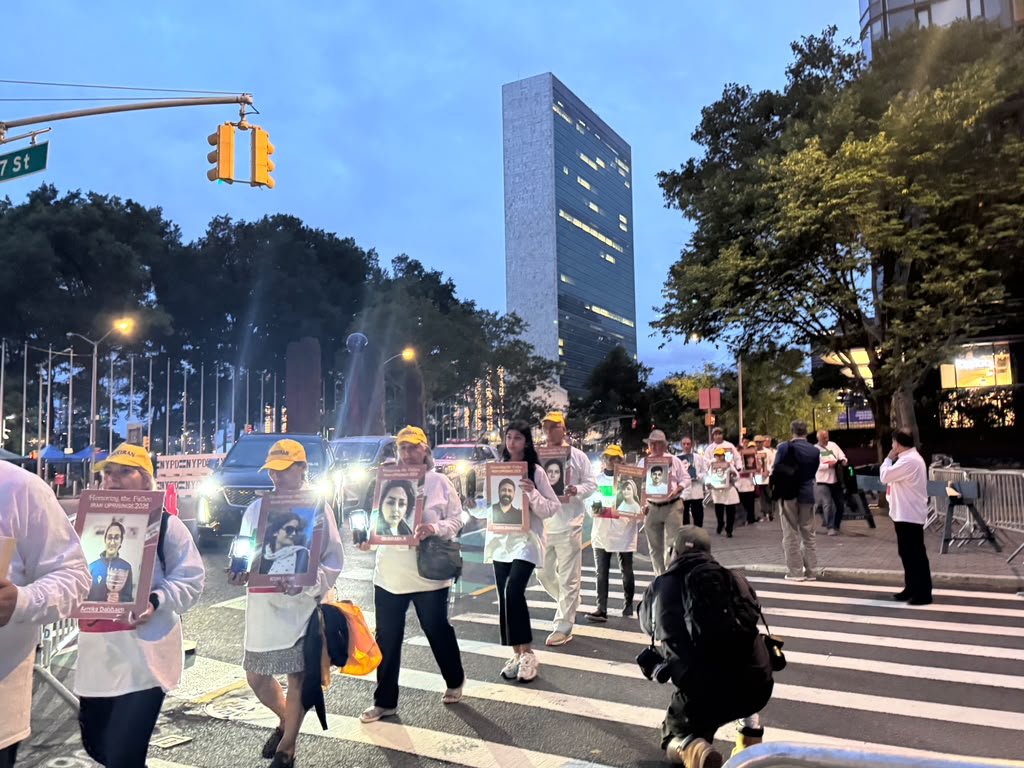
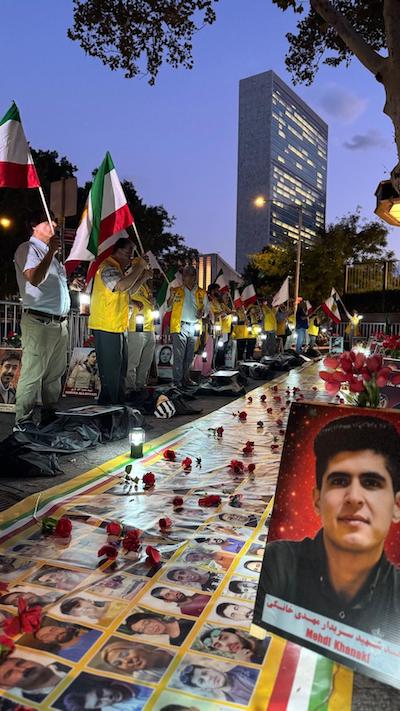
The weeklong campaign also included a number of picket line protesting Iran regime delegation’s presence in New York City, two moving candlelight vigils, and number of photo exhibitions to honor the lives and memory of those killed for fighting for freedom in Iran.
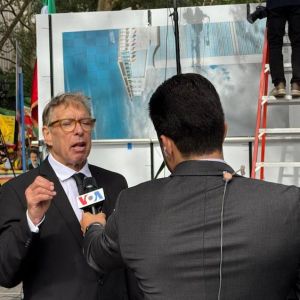
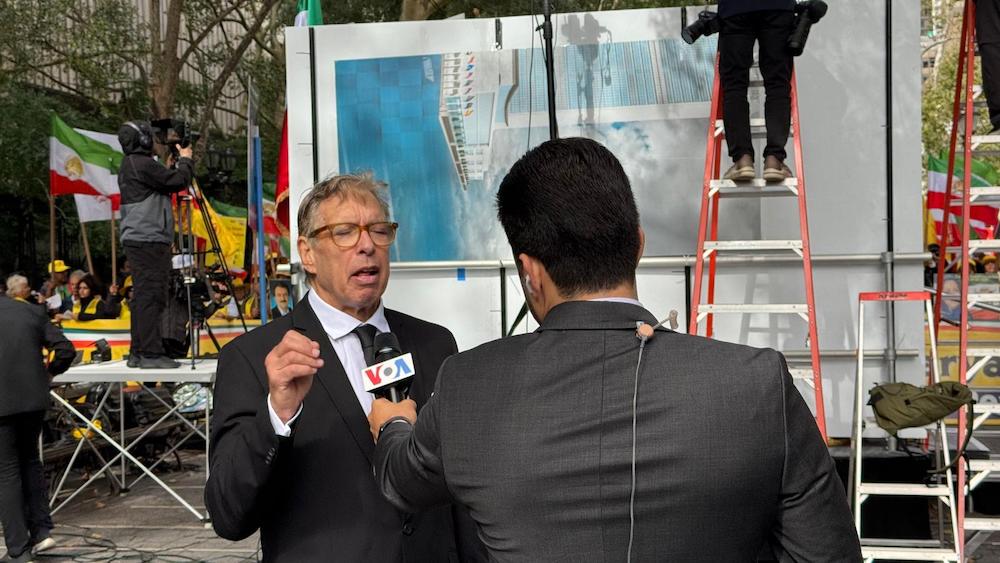
The events were covered by a vast number of national and international media outlets.
Social Media Posts
Thousands of people gathered outside the United Nations in New York to protest Iran’s government as President Masoud Pezeshkian addressed the General Assembly. Demonstrators called for an end to the current regime, while some American Iranian protesters with personal ties to Iran said they want Iranians to have the freedom to decide how they live, practice religion and govern themselves. @JaredOchacher reports.
— CBS News (@CBSNews) September 23, 2026
Published Articles