

Sources tell CBS News that as many as 20,000 people may have been killed in Iran’s crackdown, reviving painful memories for survivors now living in the U.S.
Jacqueline Quynh
Published: January 15, 2026
WASHINGTON — As protests against Iran’s government stretch into a third week, members of the Iranian diaspora in the Washington region say fear and urgency are growing, amid reports that thousands of people may have been killed in a sweeping government crackdown.
President Donald Trump said Wednesday he had heard on what he called “good authority” that the killing in Iran is stopping. But information emerging from inside the country suggests the toll could be far higher than previously known.
Two sources inside Iran told CBS News that at least 12,000 people and possibly as many as 20,000 may have been killed since anti-regime demonstrations erupted. Verifying the numbers has been difficult due to widespread internet and phone shutdowns imposed by Iranian authorities.
For Shirin Nariman, a former political prisoner and organizer with the Iranian American Community of Virginia, the reports are painfully familiar.
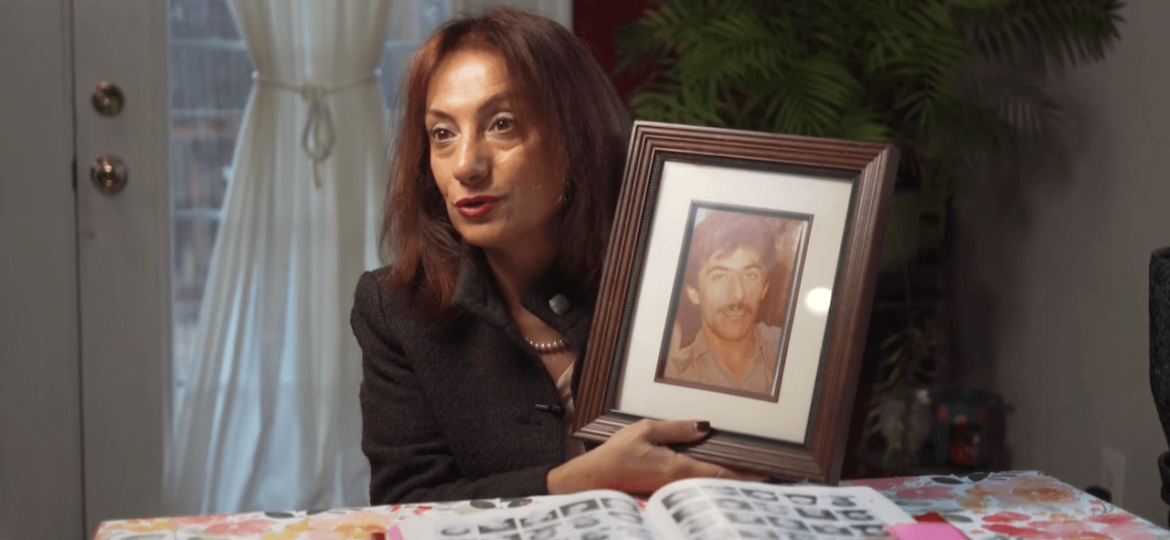
“My cousin was arrested and within five days. My mother saw him on a Saturday morning, and by Friday afternoon, they announced that he was dead,” Nariman said, holding a photograph of him.
Nariman was imprisoned in Iran in the 1980s during mass arrests and executions of political dissidents. She says the physical suffering faded, but the memories of those who did not survive remain vivid.
“What you physically endure, you forget,” she said. “What always remains with you are the moments you saw your friends, your cellmates, their bodies tortured so severely, and the moments that you said goodbye to your friends for execution.”
Watching the current unrest unfold has felt like reliving the past, she said.
“I have witnessed firsthand the executions, the tortures, and the bodies on the streets before,” Nariman said. “It’s all deja vu again for me.”
Nariman describes today’s protests as part of a decades-long struggle for freedom in Iran first against the U.S.-backed monarchy that ruled before the 1979 revolution, and now against a theocratic system in which ultimate authority rests with a religious supreme leader.
“We fought and defeated one dictator in a monarchy, and now we are fighting to get rid of another dictatorship, which is a theocracy,” she said.
Experts caution that transforming Iran’s political system would be extraordinarily difficult. Mark Katz, a professor emeritus of politics and government at George Mason University, said democratic revolutions require support within.
“Revolutions tend to only succeed when the security services go over to the side of the opposition, or at least don’t defend the regime,” Katz said.
The regional context also poses challenges, he added.
“Unlike Latin America, where democracy is the norm and lots of countries have it, in the Middle East, there really aren’t many countries that have it, or very much of it,” Katz said.
Despite the risks, Nariman believes the scale of the government’s violent response reflects fear, not strength.
“When you say goodbye to your friend and they tell you, ‘Don’t forget me,’ that stays with you,” she said. “That’s why I’m here. That’s why I’m fighting so hard so Iran can be free, and no one has to go through this again.”